Making friends
with a disability
in Sydney.
Social isolation is one of the most common — and least talked about — experiences of living with a disability. It is completely OK to want more connection, and there are real, practical ways to build it. This guide walks through how, in plain English.
Written by Tegrity Services — NDIS registered provider, Sydney.
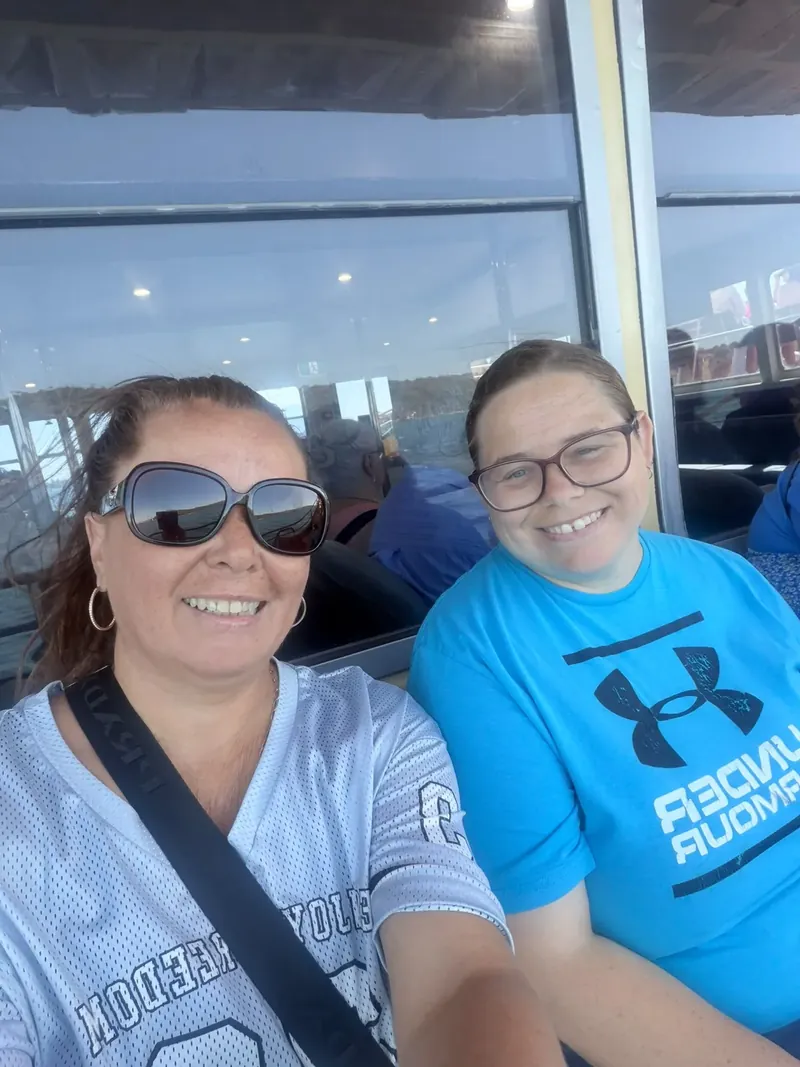
You want connection. That’s completely normal.
Living with a disability can make socialising genuinely harder — not because of who you are, but because of barriers: transport, access, energy, anxiety, or simply not knowing where to start. Research consistently shows that people with disability experience higher rates of loneliness than the general population. Acknowledging that doesn’t mean accepting it.
The good news: with the right support and the right setting, real friendships and community connections are absolutely possible. The key is finding activities that suit you and showing up regularly — friendships form through repeated contact more than through any single event.
It’s not just you
Transport, access, anxiety, fatigue and not knowing where to start all make socialising harder with a disability. These are real barriers, not excuses — and they can be worked around.
Consistency beats events
Friendships form through seeing the same people regularly, not one-off occasions. A weekly group, a regular outing or a shared hobby builds connection faster than a special event ever will.
NDIS can fund this
If your plan includes relevant community-participation funding, it may pay for disability-related support-worker time for social outings or groups. It does not automatically pay the ordinary cost of the activity.
Six ways to build connection in Sydney
These are practical starting points — you don’t have to try them all at once. Pick the one that feels most manageable and go from there.
-
1
Join a regular social or recreation group
One practical way to make friends is to see the same group regularly. A well-run social or recreation group reduces the pressure of organising every interaction yourself. Tegrity’s Wednesday rec group runs across our listed Sydney service areas in the Inner West, City and Eastern Suburbs, with beach walks, bowling, pickleball, barbecues and community outings chosen by the group. Ask us about the next outing and current capacity. Programs like Gig Buddies NSW also match people with disability with volunteer social buddies for one-on-one outings if that setting suits you better.
-
2
Use a 1:1 support worker for social outings
A support worker can accompany you to cafés, social events, clubs, markets, the beach or any activity that interests you. The worker is there to support you, not to replace social connection — over time, 1:1 community outings are a stepping stone to meeting people and building your own circle. Activities like shared coffee catch-ups in Newtown or Surry Hills, a walk along the Coogee coastal path, or attending a local club in Glebe or Leichhardt are all things a support worker can help make happen.
-
3
Find a shared-interest group or club
People make friends fastest when they’re doing something they actually enjoy alongside others who enjoy the same thing. Sydney has a huge range of clubs, classes and community groups across the inner west, city and eastern suburbs — art classes, book clubs, photography groups, cooking classes, board games, trivia nights and more. Platforms like Meetup list regular group activities by suburb; community centres and local councils also run low-cost community programs that are often accessible. The activity matters less than the regularity.
-
4
Try a disability-inclusive sport or physical activity
Sport and physical activity are some of the best contexts for making friends because there’s always something to talk about and the shared experience does the social heavy lifting. Pickleball has become particularly popular in the disability community — it’s accessible, low-impact and genuinely fun for a wide range of abilities. Bocce, swimming, yoga, walking groups and park runs are other inclusive options. Sydney’s inner west parks and eastern beaches provide great natural settings for this. Disability sport organisations can point you to inclusive programs in your area.
-
5
Volunteer or contribute to a community cause
Volunteering puts you alongside people who share values rather than just geography, which is a strong foundation for friendship. Many organisations in Sydney welcome volunteers with disability. Community gardens, libraries, op shops, animal shelters and community events all have opportunities. Even a few hours a month in a consistent role puts you in regular contact with the same people — and that’s where friendships grow.
-
6
Start small — a coffee, not a commitment
If groups feel overwhelming, start smaller. A regular coffee with one person from a group, a quick hello to a neighbour, or a low-stakes chat after a class. Friendship often begins with small repeated interactions rather than grand gestures. If anxiety or low confidence is a factor, a support worker can help you practice social situations and build confidence at your own pace.
A real social group that heads out every week
Making friends takes repetition — and our Wednesday rec group is built around exactly that. The same group of people, every week, going somewhere together. Not an activity sheet. Not a one-off event. Just a genuine weekly outing where you see the same faces and connections actually form.
- Current block: every Wednesday at Perry Park, 12 August to 7 October 2026
- Activities include pickleball, beach walks, bowling, barbecues, museum days and more
- Open to new faces — no commitment needed to come along first
- Culturally safe — Aboriginal-owned and open to everyone
- Support-worker time may be funded when your plan includes the relevant support
How NDIS funding can support your social life
Your NDIS plan isn’t just for clinical or personal care supports — it can actively fund your social life. Here’s how.
Community participation & social support
The official NDIS support-budget guide lists assistance with social and community participation as a support category. If your plan includes the relevant funding, it may pay for disability-related support that helps you take part in community life.
It can cover:
- A support worker joining you for social outings, clubs or activities
- Attending a group recreation or social program like Tegrity’s Wednesday rec group
- Community access — transport, access to venues and activities
- Building social skills and confidence in community settings
If you have Capacity Building — Increased Social and Community Participation in your plan, it may fund goal-focused support to build social confidence and independence. What can be claimed depends on your plan and the current NDIS rules; ordinary activity, food and ticket costs are not automatically included.
Not sure what’s in your plan? Your support coordinator or plan manager can check. If you don’t have a coordinator, call us and we’ll help you understand your options.
Tegrity provides community participation support and 1:1 social outings across our listed Sydney service areas — with a focus on the Inner West (Newtown, Marrickville, Leichhardt, Glebe), City of Sydney (Surry Hills, Redfern, Darlinghurst, CBD) and Eastern Suburbs (Bondi, Coogee, Randwick, Maroubra). We’re also a proudly Aboriginal-owned, culturally safe team — and everyone is welcome.
Making friends with a disability — your questions answered
How can I make friends if I have a disability in Sydney?
There are a few practical ways to build social connection in Sydney with a disability. Joining a regular social or recreation group — like Tegrity’s Wednesday rec group — is one of the most effective, because you see the same people week after week and friendships build naturally. Using a support worker for community outings (cafés, sport, markets, shared hobbies) helps you get out and meet people in low-pressure settings. Community organisations, local clubs, Meetup groups and interest-based activities (sport, arts, cooking) are also great starting points. The key is consistency — showing up to the same thing regularly is how friendships form, not one-off events.
Can I use my NDIS plan to be more social?
It can when your plan includes the relevant community-participation support and the expense meets current NDIS rules. This may cover disability-related support-worker time for an outing or group, but it does not mean every activity cost is funded. Your support coordinator, plan manager or my NDIS contact can help you check your plan.
What is an NDIS social group?
An NDIS social group brings participants together for outings, sport, hobbies or social activities, with disability-related support funded only when it fits the person’s plan and current NDIS rules. Tegrity’s Wednesday rec group runs in planned blocks; the current block meets at Perry Park every Wednesday from 12 August to 7 October 2026. Contact us before attending so we can confirm details, accessibility and fit.
Can a support worker take me to social activities?
Yes — this is exactly what 1:1 community participation support is for. A support worker can accompany you to cafés, social events, sporting clubs, community groups, markets, the beach or anywhere else that helps you connect with people and do the things you enjoy. The worker is there to support you, not to be your only social interaction. Over time, 1:1 community support is often a stepping stone to greater independence and a wider social circle.
Where does Tegrity’s social group run?
The current Wednesday rec group block meets at Perry Park from 12 August to 7 October 2026. Previous outings have included pickleball, beach walks, bowling, museum visits, barbecues and ferry trips across our listed Sydney service areas. Call (02) 7265 1558 or check the rec group page before attending for the current time, meeting point and capacity.
Ready to get connected?
Come along to a Wednesday outing first — no commitment needed, just a good day out with a friendly group. Or start a referral if you’d like 1:1 support for social outings.
Start a referralOr call (02) 7265 1558
Prepared and reviewed by Tegrity Services
Published · Last reviewed
Aboriginal-owned registered NDIS provider 4050099017, operating since 2021. Our guides draw on direct service experience and current official sources. See how we write, review and correct our guides.