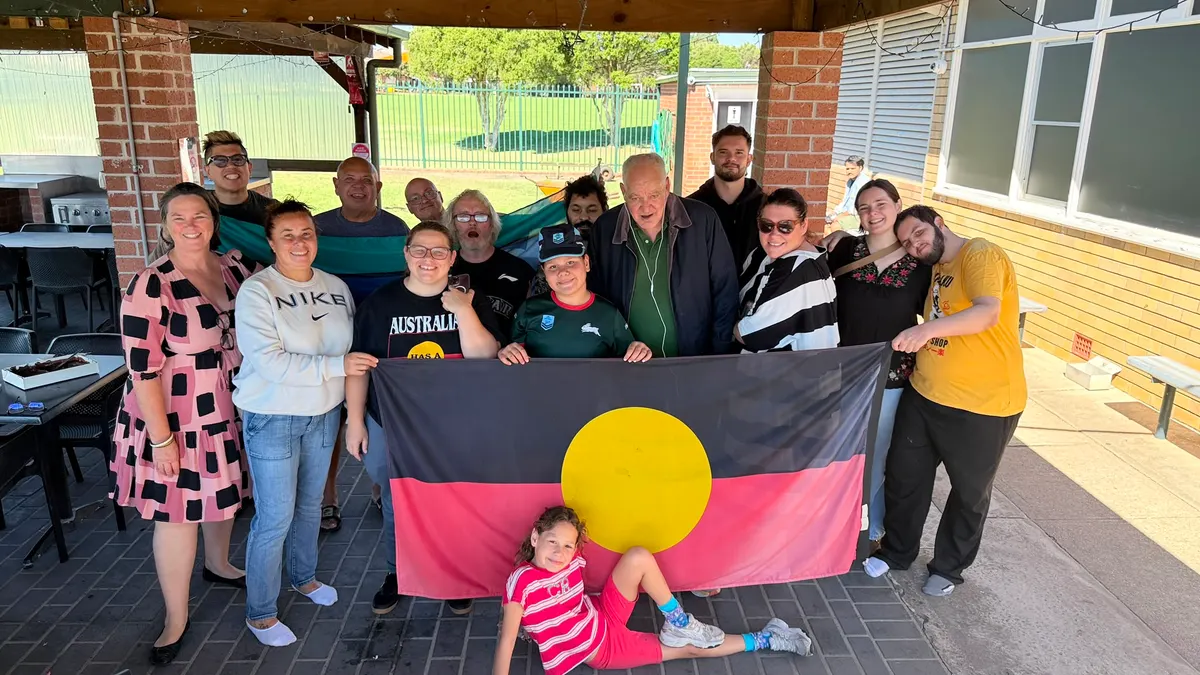
What is culturally safe disability support?
Culturally safe disability support is support delivered in a way that the person receiving it experiences as respectful of their culture, identity, family and community — so they never have to explain, justify or set aside who they are to get help. The concept comes from First Nations health care, and its defining feature is where the judgement sits: the Australian Institute of Health and Welfare's cultural safety framework measures cultural safety by the experiences of the people using a service, not by the intentions or policies of the people delivering it (AIHW). In NDIS terms: a provider can claim cultural safety, but only the participant can confirm it.
Cultural safety vs cultural awareness — what's the difference?
Cultural awareness is knowledge held by the worker; cultural safety is an outcome felt by the participant. A worker becomes culturally aware by learning that different cultures exist and something about them — often through a training course. That knowledge is useful, but it is the floor, not the finish line. Cultural safety asks a harder question: does the person being supported actually feel safe, respected and in control of their own support? A service can tick every awareness-training box and still leave a participant feeling judged, explained-at or unwelcome — in which case it is not culturally safe, whatever the certificate says. The practical difference: awareness is demonstrated in a classroom; safety is demonstrated in the relationship, shift after shift, and the participant is the only qualified judge of it.
What does culturally safe support look like day-to-day?
Day-to-day, culturally safe support looks less like a policy and more like a set of small, repeated behaviours that add up to trust. Concretely, it looks like:
- Meeting your worker before supports start — and having a real say in whether they're the right fit
- A small, familiar team each week, not a rotation of strangers to re-explain yourself to
- Being able to request a worker of a particular background, gender or community — including, at an Aboriginal-owned provider like Tegrity, an Aboriginal support worker or coordinator
- Family and kinship having a place in planning conversations, if you want them there
- Space made for cultural obligations — including Sorry Business — without you having to explain why they matter
- Support built around your community life — not scheduled over the top of it
None of these are exotic or expensive; they're deliverable by any provider willing to organise support around the person rather than the roster. That's also the test: if a provider says “culturally safe” but can't offer worker choice, consistency or flexibility around cultural obligations, the words and the practice don't match.
How do I know if an NDIS provider is culturally safe?
Ask direct questions before you commit, and judge the answers rather than the branding. A provider that genuinely works this way will answer plainly and without defensiveness. Questions worth asking any provider:
- Can I request a worker of a particular background, gender or community?
- Will I meet my worker before supports start?
- Will I have a consistent team, or a different person each shift?
- How do you make space for family, community and cultural obligations in the roster?
- Do Aboriginal and Torres Strait Islander people work across your team — including in leadership?
- What happens if the match isn't right — can I change workers without a fight?
Vague answers, or answers that redirect to a policy document, are the red flag. And remember the AIHW's point above: cultural safety is defined by your experience, so a trial period tells you more than any brochure. If you'd rather talk the questions through with a provider first, you can call us on (02) 7265 1558 — we'll give you straight answers, including when we're not the right fit.
Why does cultural safety matter for Aboriginal and Torres Strait Islander NDIS participants?
Support that does not feel culturally safe can create another barrier to using it. The NDIS First Nations Strategy 2025–2030 responds by prioritising fair access, cultural safety, power-sharing and community-centred support. First Nations people are a significant share of the scheme: 8.1% of NDIS participants nationally and 9.3% in NSW, and 1.5 times as likely as other Australians to live with disability. First Nations people are also represented among NDIS participants with primary psychosocial disability at a higher population rate than non-Indigenous Australians (AIHW). This makes culturally safe delivery especially relevant in psychosocial support, while each participant remains the judge of what feels safe for them.
Cultural safety isn't only for Aboriginal and Torres Strait Islander people, though — the same principle improves support for anyone whose language, faith, family structure or identity a service might otherwise talk past. It matters most where the gap between a person's culture and a service's assumptions is widest.
Where to from here
If you're reading as a participant, family member or support coordinator and you want a provider that works this way: our culturally safe NDIS support page covers how Tegrity — an Aboriginal-owned, NDIS-registered provider — delivers it across our listed Sydney service areas, through Aboriginal support work and Aboriginal support coordination. If what you want is an Aboriginal worker specifically, here's how to request one through your NDIS plan — no special plan wording or extra funding needed. And if you're still comparing, our guide to Aboriginal-owned vs mainstream providers looks honestly at when each is the right choice.
Frequently asked questions
Who decides whether support is culturally safe?
The person receiving the support — not the provider. The Australian Institute of Health and Welfare's cultural safety framework measures cultural safety by the experiences of the people using a service, not by the policies or intentions of the people delivering it. A provider can call itself culturally safe; only participants and families can confirm it.
Does culturally safe support cost more under the NDIS?
No. Cultural safety is about how support is delivered, not a separate service or line item. All NDIS providers work to the same NDIS price limits, so culturally safe support work and support coordination are claimed from the same plan budgets at the same rates as any other provider's.
Can I ask to be matched with an Aboriginal support worker or coordinator?
Yes. You can ask any provider to match you with a worker of a particular background, and a culturally safe provider will take that request seriously. At Tegrity, an Aboriginal-owned provider, participants can ask to be matched with an Aboriginal support worker or support coordinator. No special plan wording or extra funding is needed to make the request.
What questions should I ask a provider about cultural safety?
Ask: Can I request a worker of a particular background, gender or community? Will I meet my worker before supports start? Will I have a consistent team or a different person each shift? How do you make space for family, community and cultural obligations? Do Aboriginal and Torres Strait Islander people work across your team, including in leadership? Clear, comfortable answers are a good sign; vague ones are the red flag.
What is an example of culturally unsafe support?
Having to repeatedly explain or justify your culture to each new worker; being questioned or judged for family and kinship obligations; support plans written around a service's schedule rather than your community and cultural life; or feeling you have to leave part of who you are at the door to receive help. When support feels like that, many people stop using it altogether — which is why cultural safety directly affects whether an NDIS plan gets used.