Support worker, carer or nurse?
Who does what — and who you need.
A support worker is a paid, screened professional funded through the NDIS. A carer is usually an unpaid family member or friend. A nurse provides clinical care. Three different roles — here’s how each one fits into your supports.
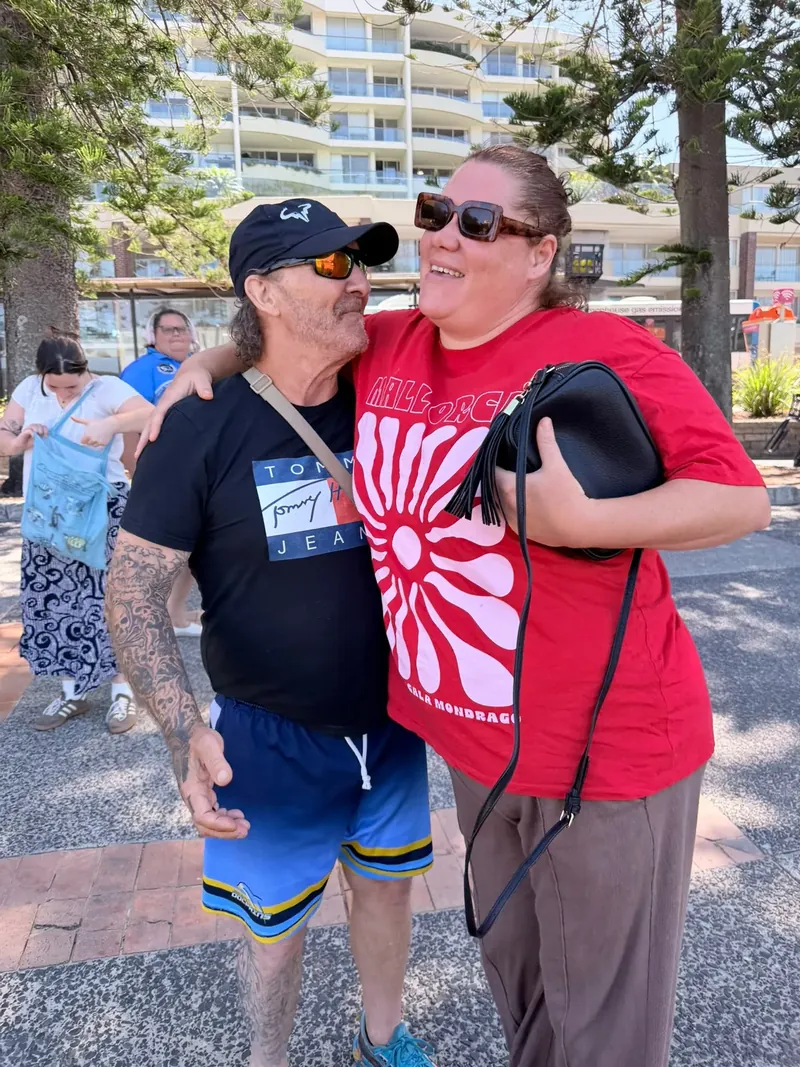
You hear all three words in the same conversations — support worker, carer, nurse — and they often get used as if they were interchangeable. They are not. Each role has a different relationship to you, different training and screening, and a different place in how your supports are funded. Getting the distinction right helps you ask for the right thing in your NDIS plan, brief the right person for the right task, and understand who is accountable for what. This guide unpacks each role in plain English.
What is a disability support worker?
A disability support worker is a paid professional who helps you with daily living, community access and building independence. In the NDIS, support workers must hold an NDIS Worker Screening Check and follow the NDIS Code of Conduct — the rules that require safe, respectful, honest support. (We’ve written a plain-English guide to support worker duties and the Code of Conduct if you want the detail.) The work is goal-oriented: rather than simply doing things for you, a good support worker helps you do more for yourself — cooking a meal together, getting confident on public transport, keeping appointments, staying connected to community. Support workers are engaged through a registered provider, an agency or a platform, and you have a genuine say in who supports you. For a fuller picture, see what a disability support worker does day to day, and our support work service page.
What is a carer?
A carer is usually an unpaid family member, friend or neighbour who provides care because of their relationship with the person — a parent supporting an adult child, a partner, a sibling, a close mate. Carers are not employed and not rostered; the care they give is called informal support, and it is often the most constant support in a person’s life. Australia recognises this. Carer Gateway is the Australian Government’s dedicated service for carers, offering counselling, peer support, respite options and practical help — it exists precisely because caring is real work even when it is unpaid. In NDIS language, informal care sits alongside funded supports rather than inside them: your plan is built with an understanding of the informal support around you, but the carer role itself is a relationship, not a line item.
What does a nurse do in disability support?
Nurses provide clinical care — the health tasks that sit beyond a support worker’s role. In disability settings that includes wound care, catheter and continence care, complex medication management, and ongoing health monitoring for people with high-intensity support needs. This work is delivered by registered or enrolled nurses, qualified and registered with the national regulator, and it is governed by clinical standards rather than the day-to-day support framework. Some participants need nursing rarely; others need it woven through every week. To be clear about our own lane: Tegrity Services does not provide nursing. We offer support work and support coordination only — when a participant needs clinical care, we refer to nursing and health providers and work alongside them, sharing what we see day to day so the clinical team has the full picture. Knowing where support work ends and nursing begins is a safety issue, not a technicality.
Who does what? A side-by-side comparison
The table below sets the three roles beside each other across the factors people most often ask about. None of these roles is “better” than the others — they answer different needs, and many participants have more than one in their life at the same time.
| Factor | Support worker | Carer | Nurse |
|---|---|---|---|
| Paid or unpaid | Paid. Engaged through a provider, agency or platform. | Usually unpaid. A family member, friend or neighbour giving informal care. | Paid. Employed by a health service or nursing provider. |
| Qualification & screening | NDIS Worker Screening Check; bound by the NDIS Code of Conduct. Training varies by role and provider. | No formal qualification — it is a relationship, not a job. Carers often build deep practical expertise over years. | Registered or enrolled nurse, formally qualified and registered with the national health practitioner regulator. |
| What they help with | Daily living, personal care, community access, social support, skill building and independence. | Everyday informal help, emotional support and advocacy — whatever the relationship calls for. | Clinical care: wound care, catheter and continence care, complex medication management, health monitoring. |
| Who funds them | NDIS Core budget — support worker hours are a funded support in your plan. | Not NDIS-funded — informal care sits alongside the plan. Carers are supported through Carer Gateway. | NDIS high-intensity supports where disability-related and in your plan, or the health system. |
| Chosen by you? | Yes. You choose the provider and can ask for a different worker if the fit isn’t right. | Naturally — a carer is someone already in your life, not someone you recruit. | Often arranged through your plan or health service; you still have a say in which provider delivers it. |
Which one does your NDIS plan fund?
The NDIS funds paid supports. Support workers are the clearest example — their hours are typically funded from the Core budget in your plan, and you choose the provider who delivers them. Informal care from family and friends is treated as separate from funded supports: the NDIS builds your plan with an awareness of the informal support around you, but the carer relationship itself sits alongside the plan rather than inside it. Clinical nursing may be funded where it is disability-related and included in your plan, and some clinical care belongs with the health system instead. Every plan is different, and funding decisions depend on your individual circumstances — so the right people to ask are your NDIS planner or local area coordinator, and the NDIS website has the official guidance on what the scheme funds and how supports are decided.
Can the same person be more than one of these?
Sometimes the lines feel blurry, and that’s normal. A family member who supports you every day is a carer — and they stay a carer even when paid workers join the picture. A support worker who has been with you for years can become a genuinely trusted part of your life, but they remain a paid professional with professional boundaries — that is what keeps the relationship safe for both of you. And nurses sometimes work alongside support workers on the same weekly roster: the nurse handles clinical tasks while the support worker covers daily living and community access. When several people and providers share your week, coordination is what makes it work — everyone briefed, nobody doubling up, nothing falling through the gaps. That is a job in itself, which is why many plans fund a support coordinator to bring the pieces together.
Tegrity Services is an Aboriginal-owned, registered NDIS provider working across our listed Sydney service areas. We keep our scope deliberately narrow — support work and support coordination, done properly — and we refer out for nursing, therapy, plan management and housing supports rather than pretending to do everything. That focus includes psychosocial support for people whose disability relates to mental health, and culturally safe support for Aboriginal and Torres Strait Islander participants. Integrity, built in — including being straight about what we don’t do.
Your questions, answered
Is a support worker a carer?
In everyday conversation the words get mixed up, but in Australian disability support they mean different things. A support worker is a paid professional engaged through a provider or platform, screened under the NDIS Worker Screening Check and bound by the NDIS Code of Conduct. A carer is usually an unpaid family member, friend or neighbour who provides informal care because of their relationship with the person.
The distinction matters because the NDIS funds paid supports, while informal care sits alongside your plan rather than inside it.
Do support workers do nursing tasks?
No. Support workers help with daily living, community access, social support and building independence — non-clinical work. Clinical tasks such as wound care, catheter care and complex medication management are carried out by registered or enrolled nurses. Some support workers complete extra training to assist with specific high-intensity supports under proper delegation and oversight, but that is planned and supervised, never assumed.
Tegrity provides support work and support coordination only — where nursing is needed, we refer out and work alongside your health team.
Does the NDIS pay family carers?
The NDIS treats informal care from family and friends as separate from funded supports — it sits alongside the paid supports in your plan rather than inside them. Family carers can access their own recognition and services through Carer Gateway, the Australian Government’s dedicated support service for carers.
Because every situation is different, the right person to ask about your own circumstances is your NDIS planner or local area coordinator.
Can I have a support worker and a nurse?
Yes. Many people with higher or more complex needs have both: a nurse for clinical care and a support worker for daily living and community access. The two roles complement each other, and good communication between them keeps your supports safe and consistent.
If several people and providers are involved in your week, a support coordinator can help keep everyone working from the same plan.
The right people, in the right roles.
We provide support work and support coordination across Inner West, City and Eastern Suburbs Sydney — and we’ll tell you honestly if what you need is something else.
Send a referralPrefer to talk first? Call (02) 7265 1558
Related reading: What a support worker does · What a support coordinator does · Culturally safe NDIS support
Prepared and reviewed by Tegrity Services
Published · Last reviewed
Aboriginal-owned registered NDIS provider 4050099017, operating since 2021. Our guides draw on direct service experience and current official sources. See how we write, review and correct our guides.