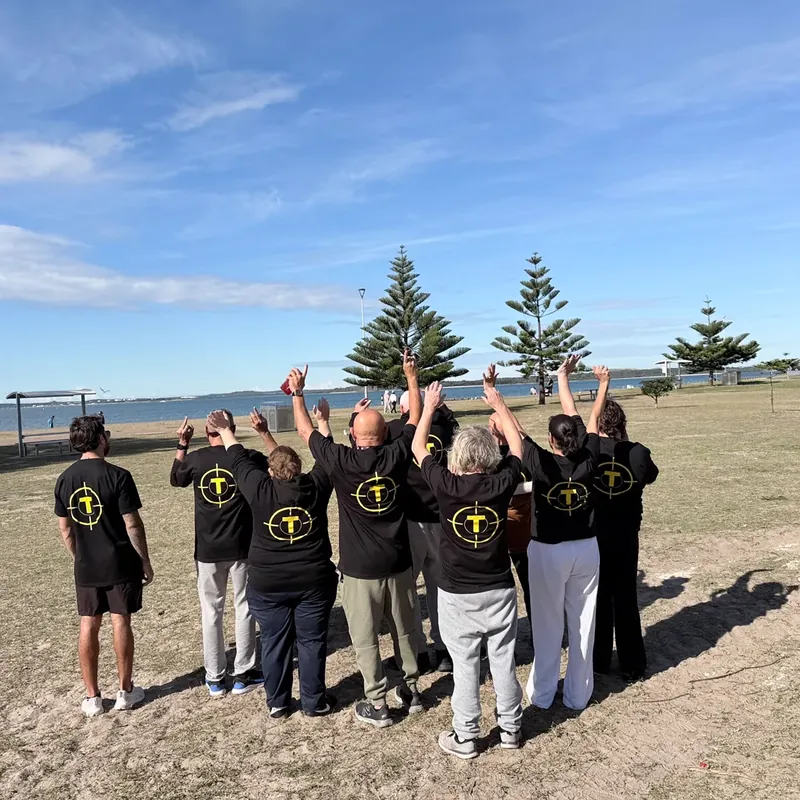
An NDIS support worker is the person who delivers hands-on, funded support in a participant’s daily life — at home, in the community, and everywhere a plan’s goals actually happen. This guide covers what support workers do day to day, the responsibilities that sit behind the visible work, and the NDIS Code of Conduct — the national rules every worker and provider must follow.
What does an NDIS support worker do?
The core duties fall into four groups:
- Personal care — showering, dressing, grooming, medication prompts, and support with mealtimes.
- Daily living at home — meal preparation, routines, and help with household tasks like laundry and keeping living areas manageable.
- Community access — getting to appointments, shopping, transport and travel training, social outings and group activities.
- Skill building — cooking, budgeting, using public transport confidently, and the routines that build toward independence.
What a particular worker does for a particular participant isn’t a generic checklist — it comes from the participant’s plan, their goals and the service agreement. That is why good support work starts with matching and a proper introduction, not just a roster slot. For a fuller picture of the role itself — a typical day, who it suits and what it feels like from both sides — see our guide to what a disability support worker does.
Support worker responsibilities: the work behind the work
The duties above are the visible half. The responsibilities that make support work professional are less visible and matter just as much:
- Consistency — turning up as rostered, on time, and staying long enough in a participant’s life for trust to form.
- Case notes — recording each shift accurately so coordinators, families and other workers can see what is actually happening.
- Noticing and raising concerns — changes in health, mood, safety or circumstances get reported early, not sat on.
- Working within the plan — delivering what the service agreement funds, and flagging when needs have outgrown it.
- Privacy and boundaries — a warm working relationship that stays a professional one, with the participant’s information kept confidential.
What is the NDIS Code of Conduct for support workers?
The NDIS Code of Conduct is the national set of rules for how NDIS supports and services must be delivered. There is no separate code of conduct for support workers — one Code covers everyone in the sector: registered and unregistered providers, employees, and independent or platform-based workers. In plain English, the Code’s eight commitments are:
- Respect each person’s right to make their own decisions — freedom of expression and self-determination come first.
- Respect people’s privacy.
- Deliver supports safely and competently, with care and skill.
- Act with integrity, honesty and transparency.
- Raise concerns about the quality or safety of supports promptly — and act on them.
- Take all reasonable steps to prevent and respond to violence, exploitation, neglect and abuse.
- Take all reasonable steps to prevent and respond to sexual misconduct.
- Not charge NDIS participants more for goods than other customers pay.
The official wording and guidance live with the regulator: the NDIS Code of Conduct at the NDIS Quality and Safeguards Commission, including its guidance for workers (PDF). Breaches can be reported to the Commission, which can take action against workers and providers — including banning orders.
What a support worker can’t do
Knowing the limits protects participants as much as the duties do. A support worker doesn’t provide therapy or clinical treatment — that is allied health, and a support coordinator can help connect it. They don’t manage your plan funds — that is a plan manager or the NDIA. And they never work around your choices: under the Code, your right to decide comes before anyone’s convenience, including the provider’s. If you’re weighing up which role your situation actually calls for, our plain-English comparison of a support worker vs a carer vs a nurse untangles the three.
How Tegrity applies the Code
For us the Code isn’t a poster in a back office. Our workers hold NDIS Worker Screening clearances, you meet your worker before supports start, the same small team stays with you fortnight to fortnight, case notes are available on request, and our conflict-of-interest policy is in writing. When something isn’t working, we say so — the Code’s fifth commitment is the one that keeps the others honest.
If support doesn’t meet this standard
Raise it with the provider first — a decent one treats a complaint as information, not an attack. If nothing changes, switching providers is your right and needs no NDIA approval, and our guide to a provider that has gone quiet covers the awkward middle. Serious concerns can go straight to the NDIS Commission on 1800 035 544 or through the complaints form on their website.
Common questions
What are the main duties of an NDIS support worker?
Personal care (like showering, dressing and medication prompts), daily living support at home (meals, routines, household tasks), community access (appointments, shopping, transport and social activities), and skill building such as cooking, budgeting and travel training. The exact duties come from your NDIS plan and service agreement — not a generic checklist.
Who does the NDIS Code of Conduct apply to?
Everyone who delivers NDIS supports or services: registered and unregistered providers, their employees, and independent or platform-based workers. There is no opt-out — the Code applies whether or not the provider is registered with the NDIS Commission.
Do NDIS support workers need a screening check?
Workers in risk-assessed roles for registered NDIS providers must hold an NDIS Worker Screening Check clearance. Tegrity is a registered provider, so our support workers hold current clearances as a condition of working with participants.
I want to become a support worker — where do I start?
Start with the qualities the Code of Conduct describes: reliability, honesty, respect for people's choices, and the judgement to raise concerns early. Formal quals help but attitude carries the job. If that sounds like you, see our Work With Us page — we hire for character and train for skill.
Related reading: how to choose an NDIS support worker, the checks and paperwork you can ask any worker for, support work vs support coordination, and agency vs platform support workers.
Want support delivered like this?
Tegrity provides NDIS support work and support coordination across our listed Sydney service areas — workers you meet first, rosters in advance, and the Code applied like we mean it.
Or call (02) 7265 1558 — thinking of joining the team instead? See Work With Us.