Support workers who
show up consistently.
NDIS support work for adults with intellectual disability across inner-west and eastern Sydney — patient workers who take the time to get to know you, build familiarity and support you at your own pace. Small, consistent teams and rosters visible a fortnight ahead.
Clear next steps after you get in touch. You meet your worker before supports start.
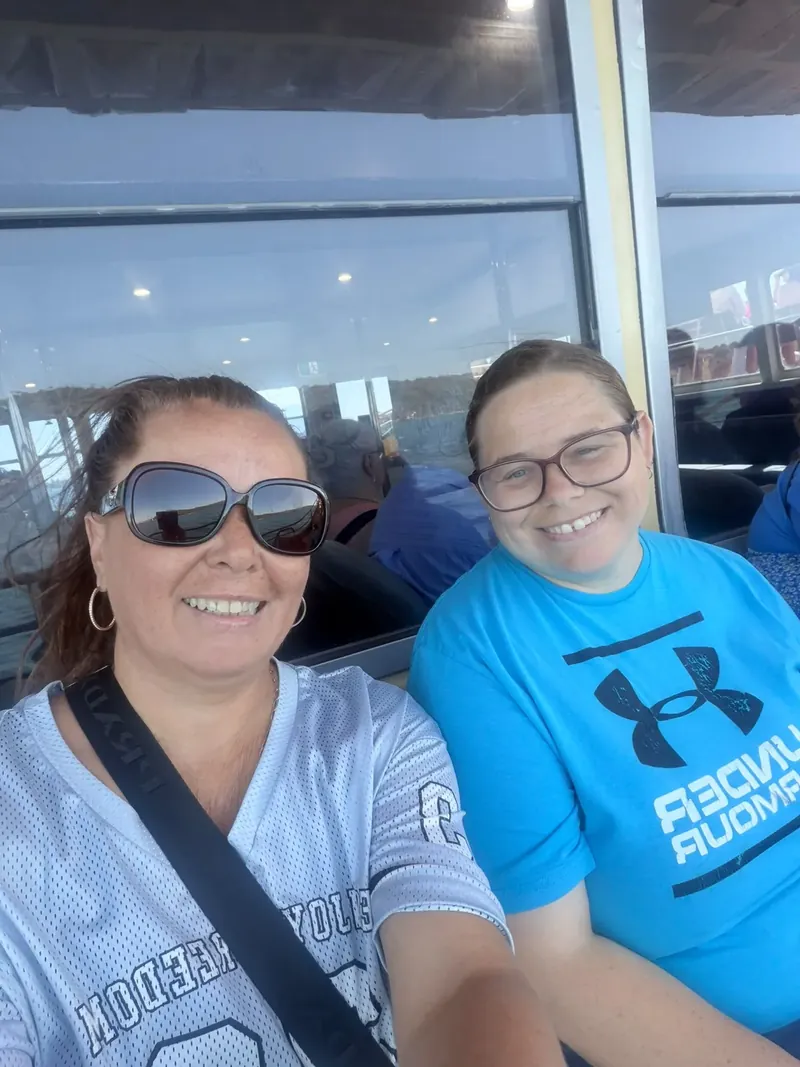
Day-to-day support built around you
Support work for people with intellectual disability is hands-on, practical help with everyday life — done at the person's pace, built around their goals, and delivered by a consistent worker who actually knows them. It's funded from the Core budget in an NDIS plan and covers a wide range of activities.
Home routines & life skills
Help with home routines, personal care, cooking, managing a weekly schedule and the practical skills that build independence over time — done at your pace, without rushing.
Community participation
Getting out and staying connected — whether that's shopping, hobbies, a local outing, catching transport, or our Wednesday social and rec group. More on community participation →
Social connection & appointments
Support to attend appointments, connect with friends and community, and take part in social activities — with a familiar face alongside, not a stranger.
Familiarity is part of the support
For many people with intellectual disability, trust takes time to build. We plan a small, familiar team where possible and explain backup cover, so relationships can develop without promising that one worker will always be available.
We deliver support work across our 37 listed Sydney service areas. We are also a proudly Aboriginal-owned, culturally safe team, and everyone is welcome.
Support that helps you do more
Good support isn't just about getting through the day — it's about building confidence and skills over time. Our workers help with the practical things that grow independence: catching the bus, making a meal, managing a routine, getting out into the community independently. We celebrate each step forward, however small.
Intellectual disability support — answered
Do you support adults with intellectual disability?
Yes. We provide NDIS support work for adults with intellectual disability across inner-west and eastern Sydney. Our support workers are patient and consistent — they take the time to get to know the person, work at their pace, and build the kind of familiarity that makes support genuinely useful.
Can I have the same support worker each time?
We match you with a small, consistent team you meet before supports start. If someone is unavailable, we discuss the replacement and keep the team familiar. If the fit is not right, we rematch you.
What can a support worker help with?
A support worker can help with daily living and home routines, getting out into the community, social activities (including our Wednesday social and rec group), attending appointments, and building practical life skills and independence — things like cooking, catching transport, managing a weekly routine, and more. All support is tailored to the person's goals and delivered at their pace.
Which Sydney areas do you cover?
We support participants across our 37 listed Sydney service areas. Call (02) 7265 1558 and we'll get support set up in your area.
Are you a registered NDIS provider?
Yes. Tegrity Services is a registered NDIS provider (registration number 4050099017), registered with the NDIS Quality and Safeguards Commission.
Other support pages that may be relevant
Support that shows up — every time.
Start a referral, or have a yarn with us first. Clear next steps after you get in touch — you meet your worker before anything begins.
Start a referralOr call (02) 7265 1558
What this service does and does not do
Tegrity provides non-clinical support work and Level 2 support coordination. We do not diagnose or treat health conditions, provide therapy, nursing, high-intensity daily personal activities, SIL or Level 3 specialist support coordination. Matching is based on the person’s goals, support tasks, communication, risks and preferences, not only a diagnosis. We explain the proposed worker’s relevant experience before support starts and say clearly when another qualified provider is needed.