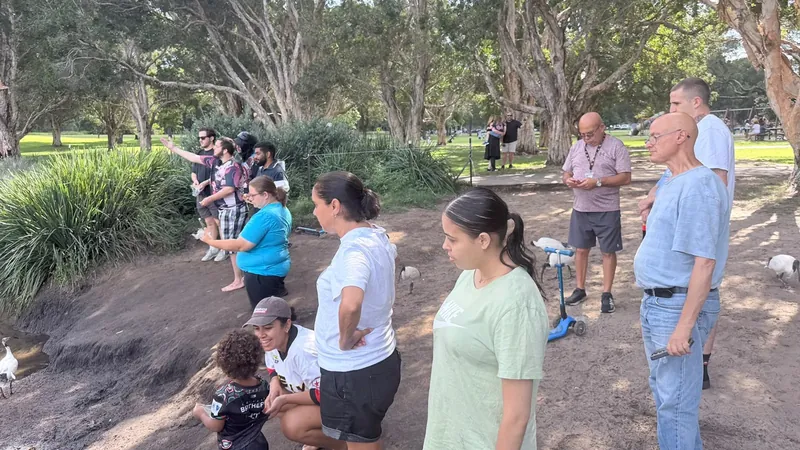
“Assistance with social and community participation” can be difficult to recognise in a plan. It can fund disability-related support to help you take part in social and community life when the support is included in your plan and meets the NDIS rules.
What it funds
The official guide to NDIS support budgets includes assistance with social and community participation. Core can fund a support worker to help with social and community activities. Capacity Building can also include Increased Social and Community Participation for skill building. What you can buy depends on the funding shown in your plan.
- Getting to and joining social activities, clubs, classes or community events
- Recreation — the gym, the pool, a walk, the library, a hobby group
- Building confidence with public transport and being out in the community
- One-on-one outings, or joining a group like our Wednesday rec group
Group or one-on-one?
One-to-one or group support may be available when it matches your plan, goals and support needs. One-to-one support can suit a person building confidence or pursuing a specific interest. A group can suit shared activities and social goals. Check the support item, ratio and price before agreeing.
What it does not cover
The NDIS says it does not generally fund standard registration fees, equipment or everyday activity costs. It may fund the extra disability-related support needed to participate. Check the current social and recreation funding criteria and your plan before spending.
How to make the most of it
Start with an activity that matters to you and agree on what support the worker will provide. A familiar small team can make it easier to build confidence without starting from scratch each week.
Examples of activities to consider
Community participation looks different for every person. Depending on the participant’s goals, support needs, plan and local accessibility, options may include:
- Swimming and water aerobics — public pools across the network, from Newtown to Bankstown
- Walking groups and exercise — parks, walking trails, oval laps, parkrun
- Markets — Marrickville Organic Market, Carriageworks Farmers Market, local community markets
- Libraries — computer access, quiet time, reading programs, community events
- Hobby and craft groups — community centres, art programs, TAFE open classes
- Bowling, mini golf, table tennis, and other recreational activity
- Café outings and cooking challenges — a weekly outing to try somewhere new
- Cultural events — community festivals, screenings, multicultural events and celebrations
- Volunteering — building purpose and social connection while contributing to the community
The activity matters. People engage better, build more confidence, and sustain the routine longer when they are doing something they actually want to do. A good first conversation is about interests, not just available services.
Individual vs group: what to expect from each
Community participation may involve 1:1 (individual) or group-based support. The applicable category, support item, ratio and price depend on the plan and service arrangement.
With group supports, ask the provider to state the worker-to-participant ratio, the support item and the price charged to each participant. A group may suit shared activities and social goals when the participant is comfortable with the setting and the proposed support ratio.
With 1:1 support, the worker’s time and agreed rate are allocated to one participant. This may suit specific accessibility, communication or personal support needs, or an activity that is individual in nature.
Many participants use both: a weekly group outing and a monthly 1:1 outing for something more personal. Your plan budget and goals shape the right mix — a support coordinator can help you work out what fits.
Discussing community participation at a plan reassessment
If your current plan does not include the support you need, speak with your NDIS contact about your circumstances and the current plan-change process. The NDIA decides what is reasonable and necessary using your goals, disability-related needs and evidence.
Information that may help explain your request:
- Clear, specific goals: Explain the activity, the disability-related barrier and the outcome you want. Clear wording does not guarantee funding, but it helps the NDIA understand the request.
- Evidence of what you used the last plan for: Progress notes from your support worker, an activity log, or a coordinator’s summary showing how funding was used and why it mattered to your wellbeing.
- Relevant evidence: Where appropriate, a treating professional can describe the functional barrier and why disability-related support is needed.
- A realistic estimate: A coordinator can help show the proposed hours, group ratio and current price so the NDIA can understand the request.
If your plan funds support coordination, a coordinator can help you organise this information. They cannot promise that the NDIA will approve a change.
Tegrity provides social and community participation support across the Inner West and Inner City of Sydney — 1:1 community access plus a genuine, long-running weekly group.
Five checks before you agree to spend community participation funding
- Check the funded support and available budget. Read the category and any stated supports in your current plan rather than relying on a provider’s general description.
- Separate support from ordinary activity costs. Ask what is being claimed from the plan and which tickets, meals, memberships or other everyday costs you will pay yourself.
- Confirm the ratio and rate. For a group, ask how many participants share each worker and what each person is charged. For 1:1 support, confirm the hourly rate and minimum shift.
- Ask how transport is handled. Participant transport and a worker’s travel between appointments are different charges. Ask for each proposed charge in writing.
- Read the service agreement and cancellation terms. Make sure the schedule, price, notice period and exit process are clear before regular support starts. You can compare Tegrity’s current published rates and pricing as one reference point.
If the wording in your plan is unclear, your NDIS contact or a Level 2 support coordinator can help you check it. A provider should be willing to explain the proposed charge before asking you to agree.
Frequently asked questions
What's the difference between 'community access' and 'community participation'?
Providers often use both phrases for support that helps a person take part in community life. Use the category and support item shown in your own plan when checking what can be claimed.
Can I join a group without knowing anyone?
Yes. Ask about the current group, accessibility, participant mix, worker ratio, cost and whether a trial visit is available before you agree.
Does the funding pay for my entry fees or activity costs?
Usually not. The NDIS may fund the extra disability-related support needed to participate, while standard tickets, memberships and everyday costs remain personal expenses. Check your plan and the current NDIS supports lists.
How long does it take to get started after my plan is approved?
Timing depends on your needs, preferred schedule, worker fit and current capacity. A provider should give you a realistic estimate before you sign a service agreement.
What if my goals or preferred activities change over time?
Talk with your provider about changing the activity while keeping the support within your plan, budget and agreed scope. Ask your NDIS contact if you need a formal plan change.
Can I use community participation funding for the gym?
The extra disability-related support needed to participate may be funded when it is in line with your plan. A standard gym membership is usually a personal cost. Check the current NDIS supports lists and your plan before spending.
Related guides
Let's get you out and connected
If you have community participation funding and want to actually use it, call us — or come along to a Wednesday outing before you commit.